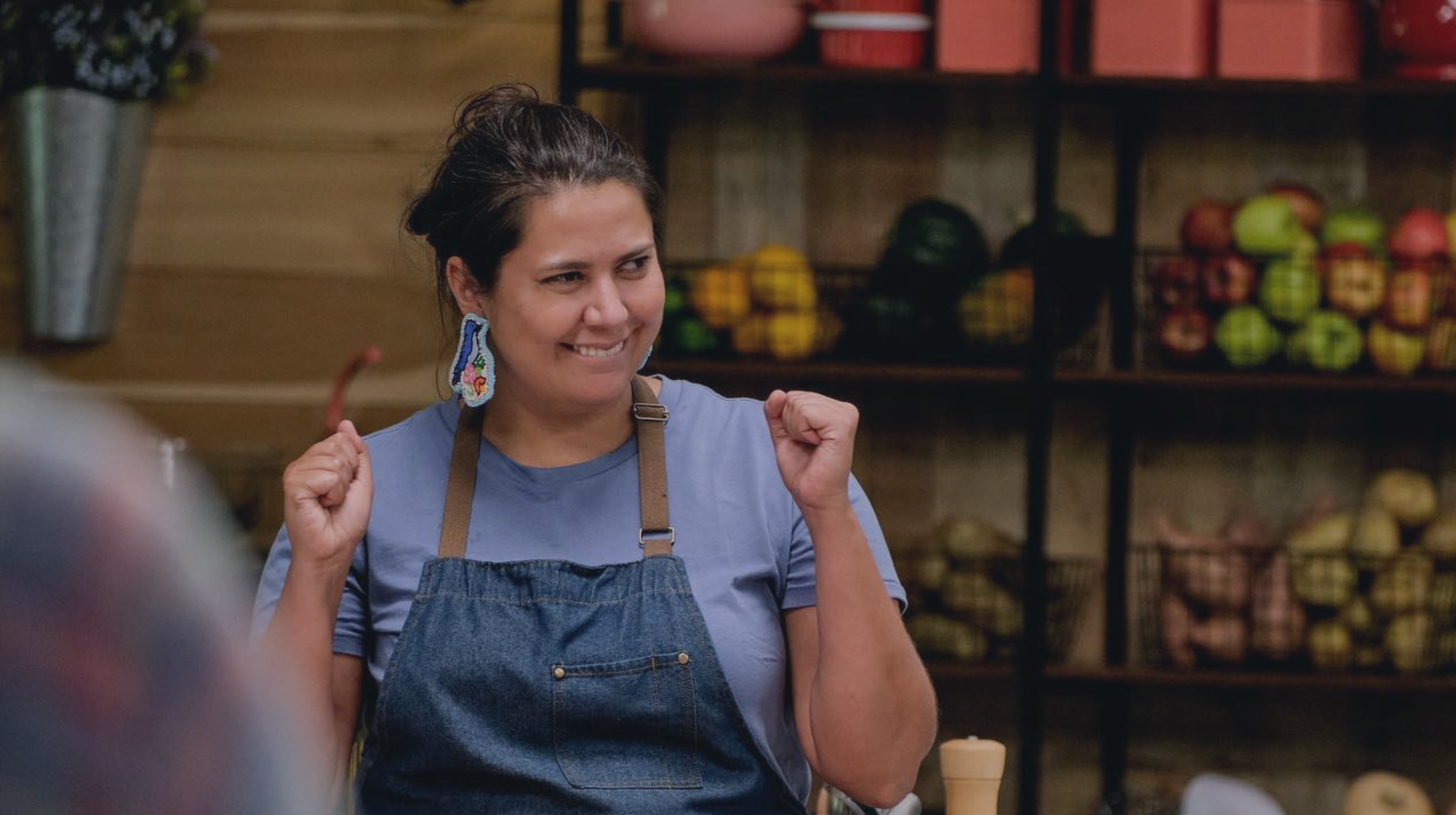
I've always loved cooking, but I never imagined it would land me on national television.
In 2018, I created an Instagram account to share meals I was making at home. As I began incorporating more traditional Native ingredients and recipes, I noticed that my posts started to resonate with people. People weren't just curious about what I was cooking, but the stories behind each dish. Little did I know that sharing my love of food and Native culinary traditions would lead to a once-in-a-lifetime adventure.
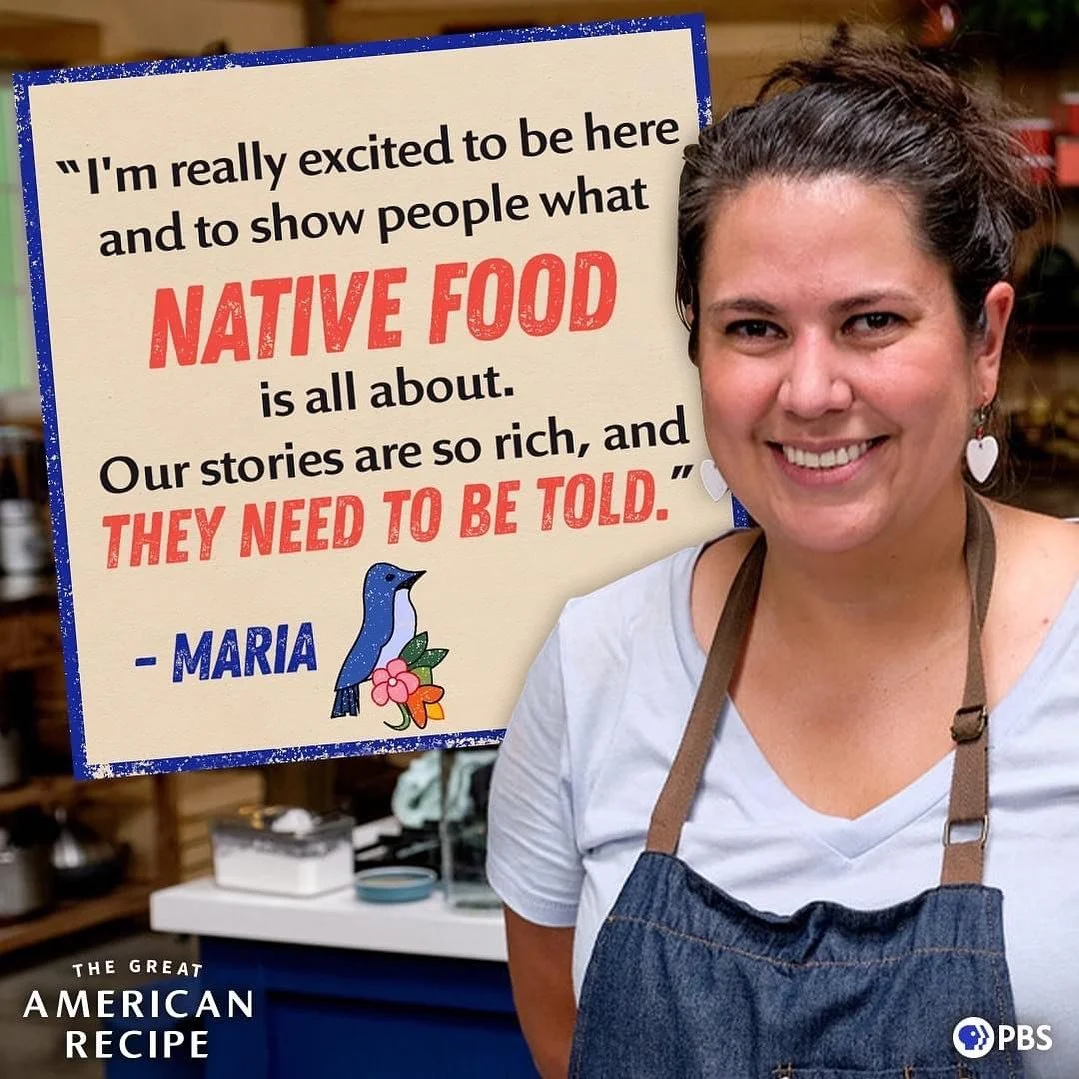
In 2020, my Instagram caught the eye of a casting agency. They reached out and invited me to audition for PBS's cooking competition, The Great American Recipe.
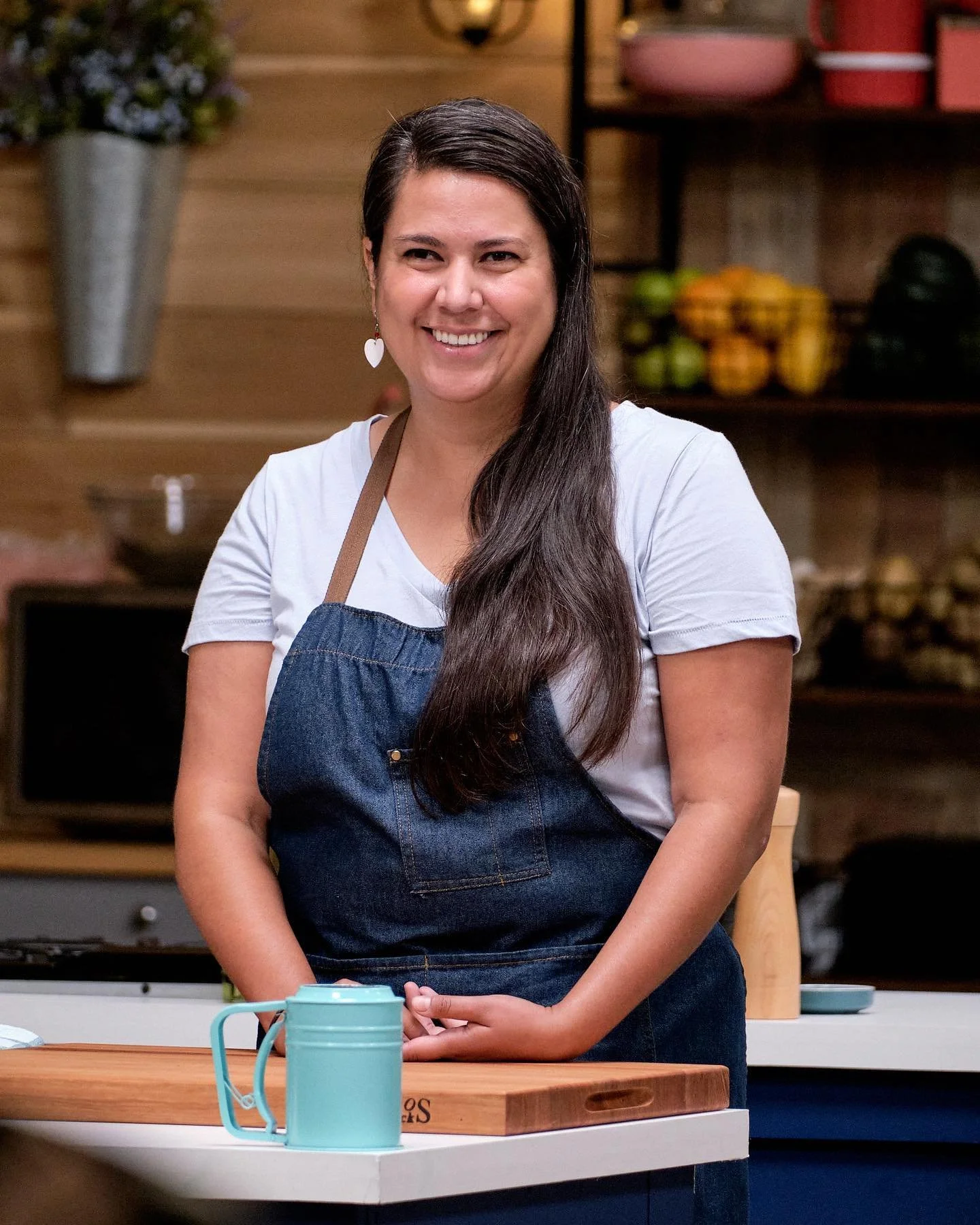
After what felt like a dozen rounds of interviews, I was selected to compete. I wasn't a professional chef, and I'd never cooked competitively. I actually assumed I'd be eliminated on the first day.
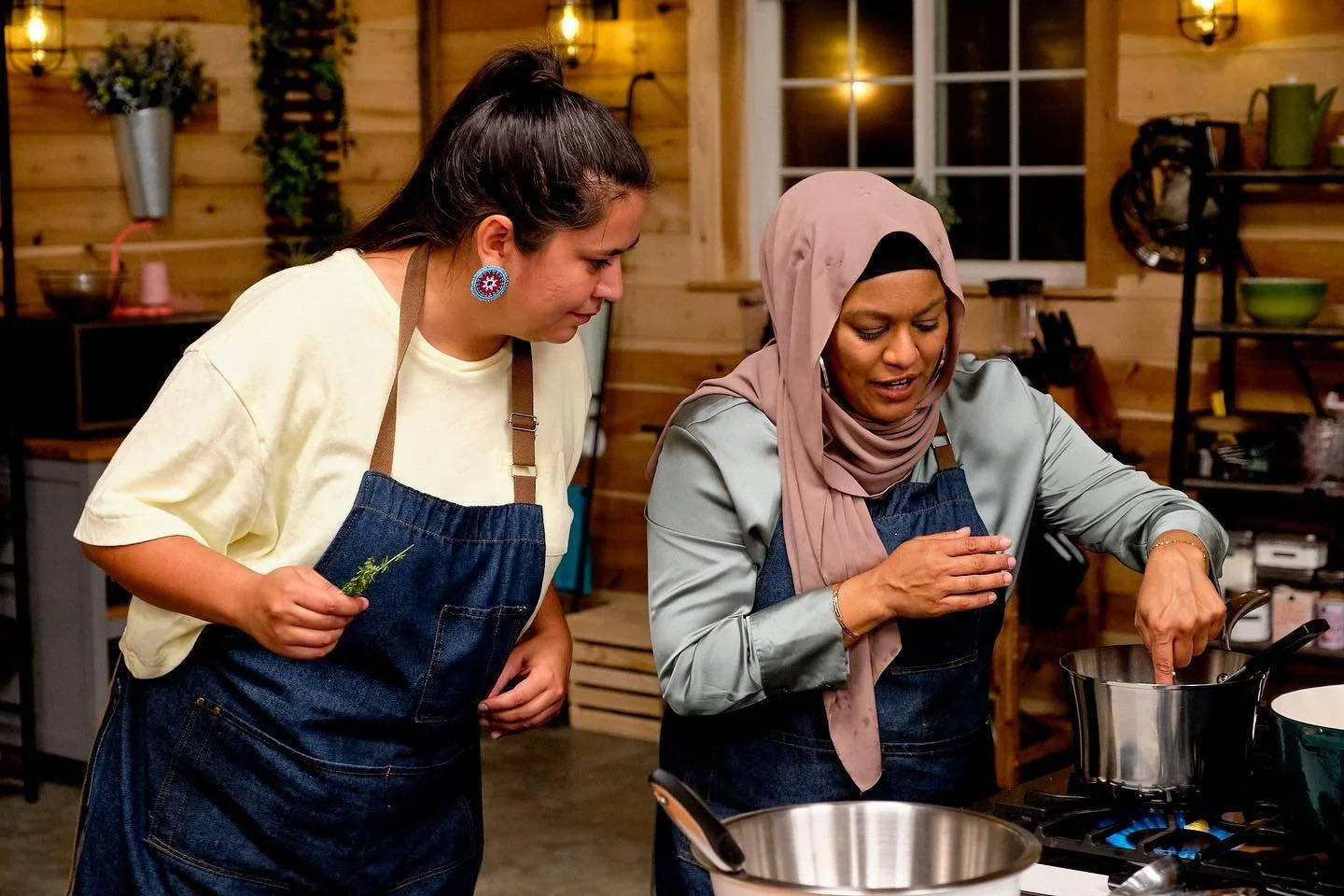
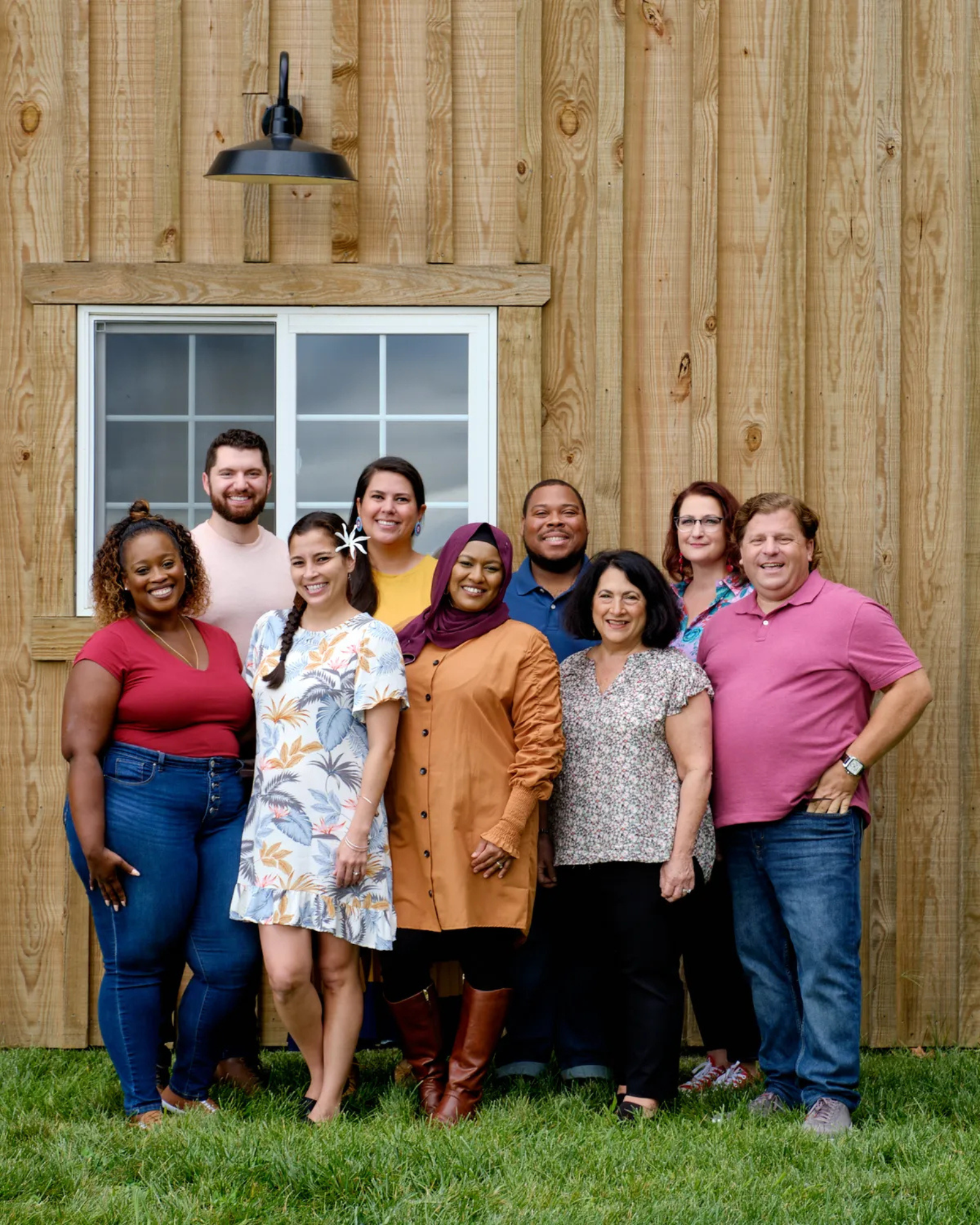
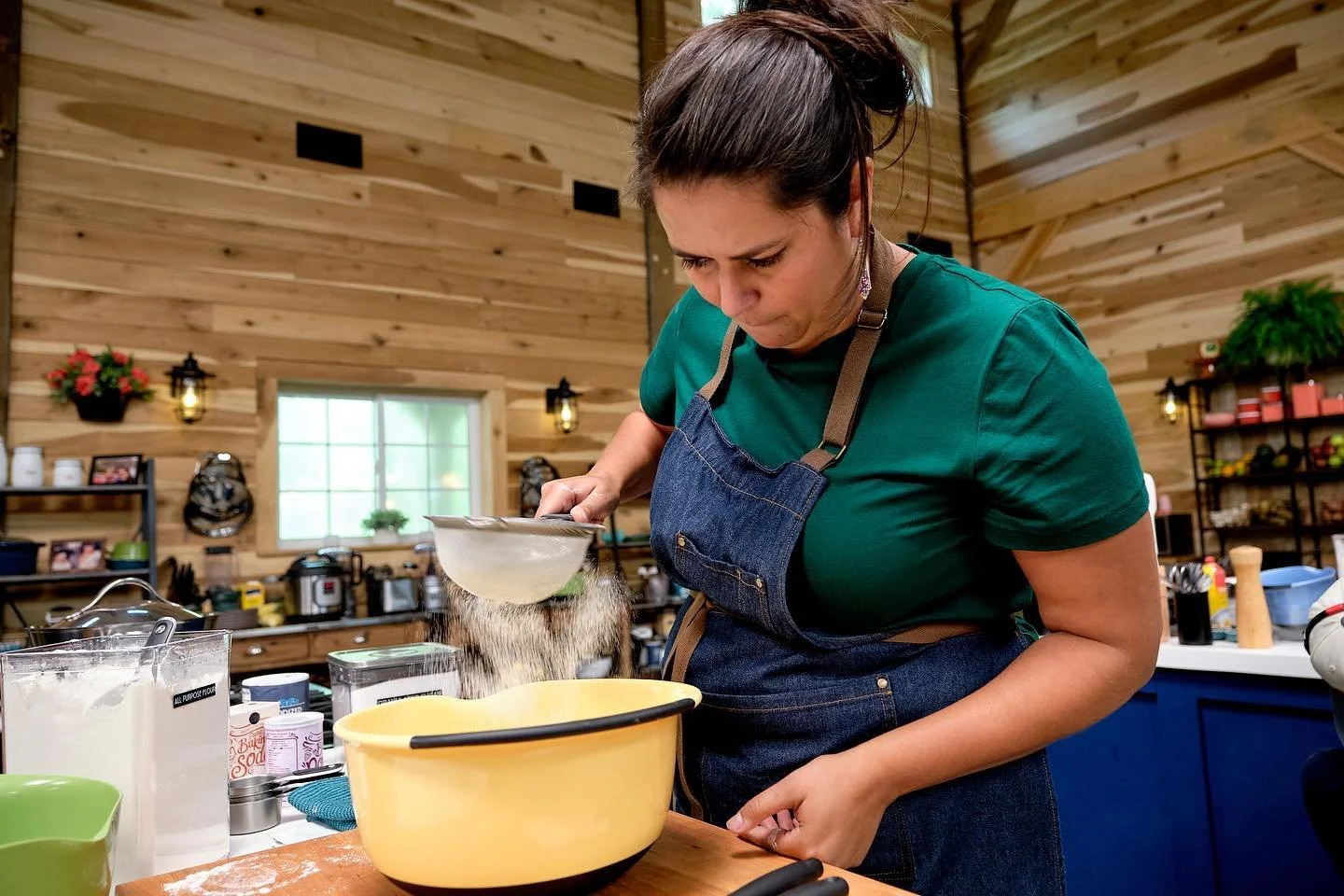
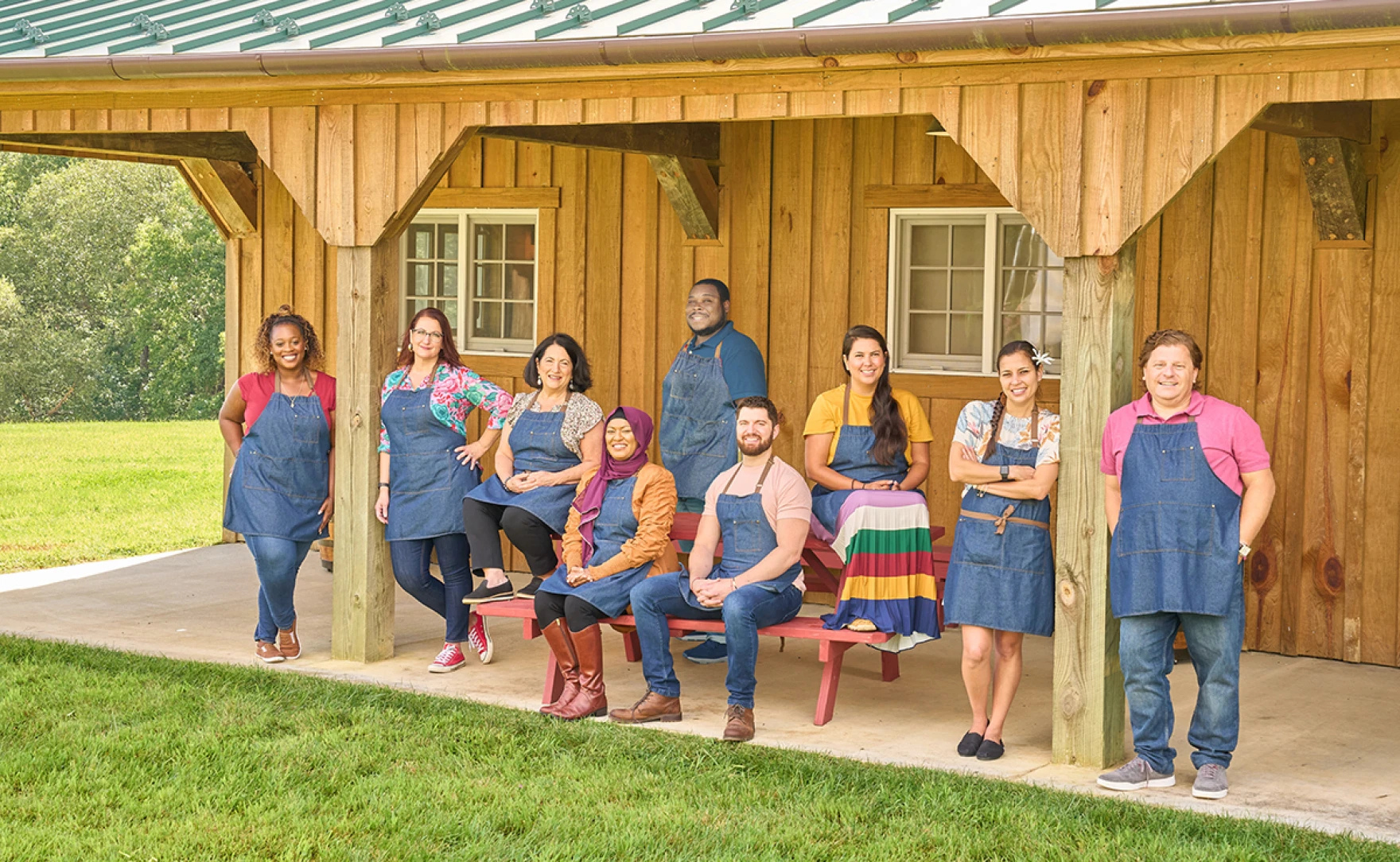
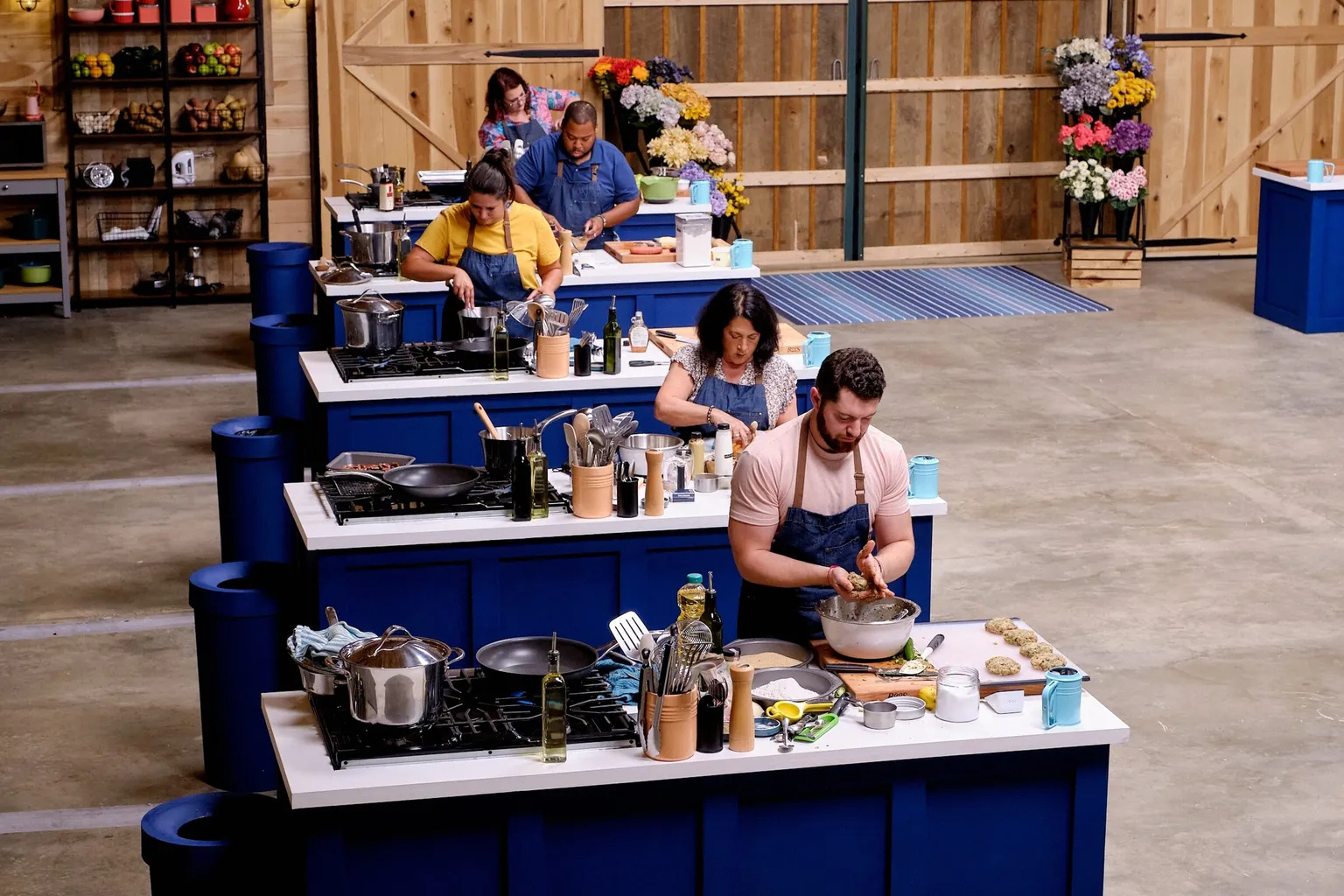
Instead, I spent nearly a month filming in a barn in Virginia and appeared in seven episodes.
What a Cooking CompetitioN Taught ME About
Food, Storytelling, & Representation
One of the most meaningful parts of the experience was sharing Native foods with a national audience.
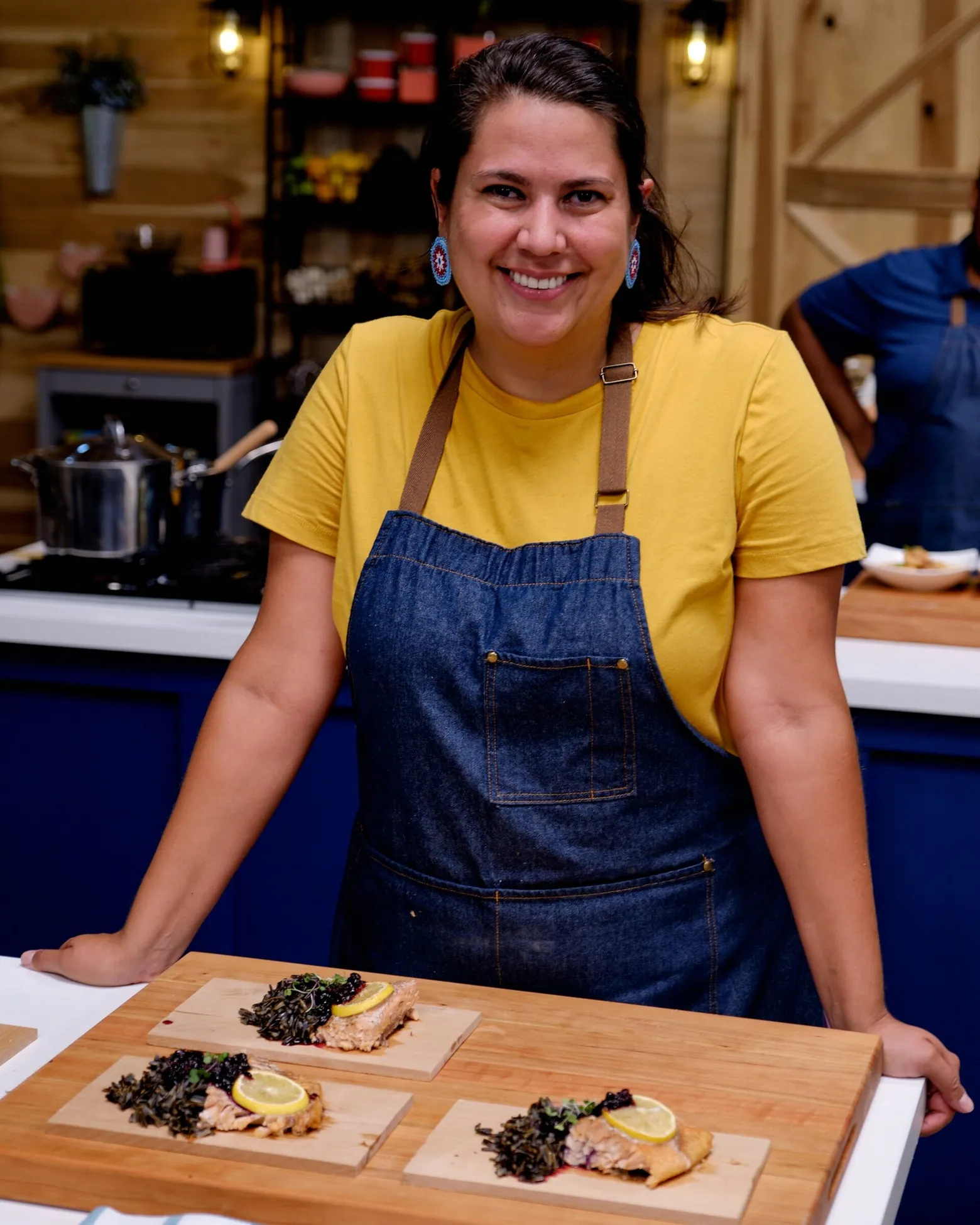
Every dish I prepared highlighted Native ingredients. Some were traditional recipes, like elk stew. Others were creations I built from my life living in Seattle, like bison pho. I'd never actually made bison pho before the competition, which, as it turns out, wasn't my wisest strategic decision…
I've shared a few of my Great American Recipe dishes below, including my bison pho, which I'm happy to say I've since perfected!
BRINGING INDIGENOUS FOODS TO THE TABLE
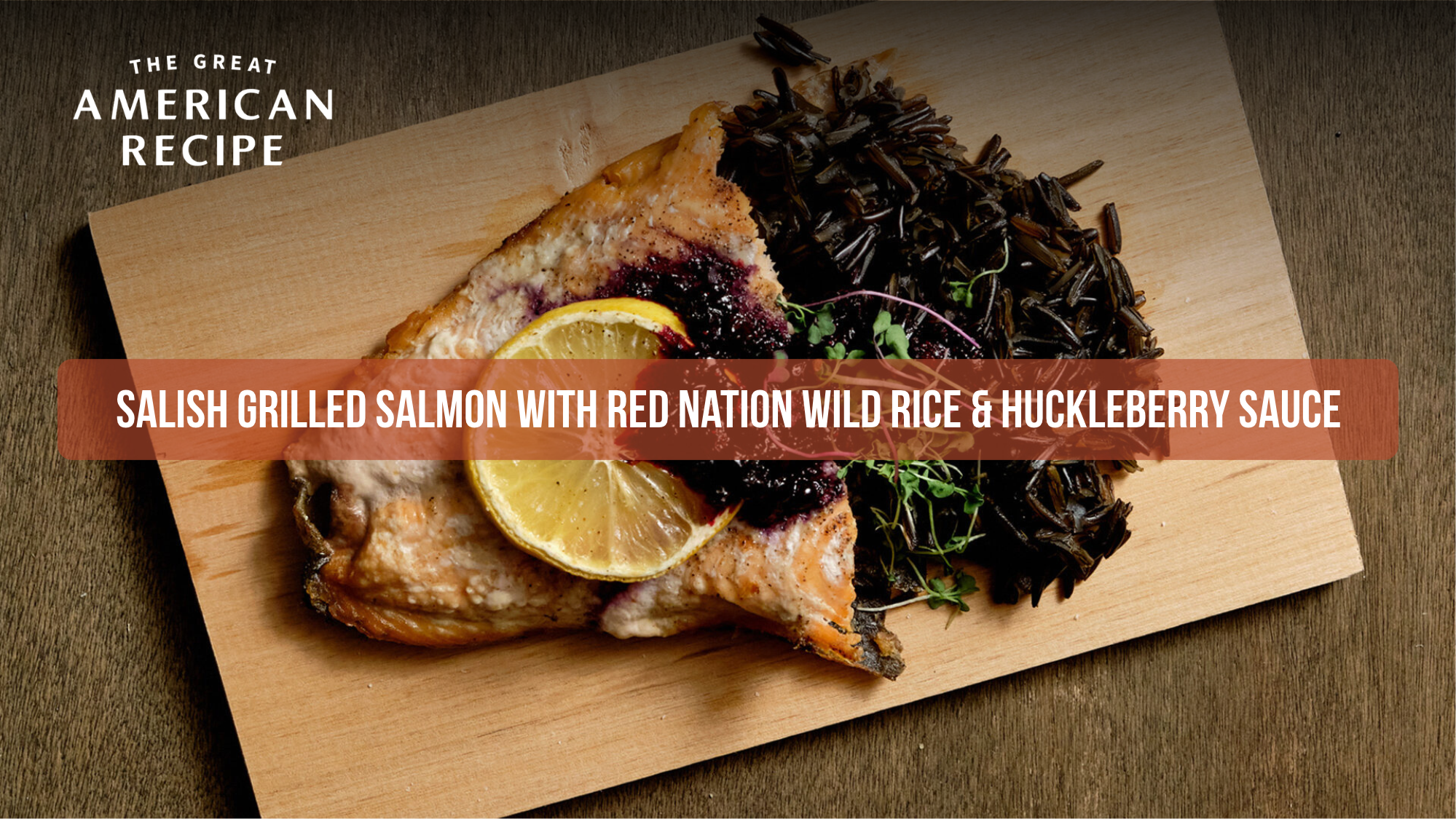
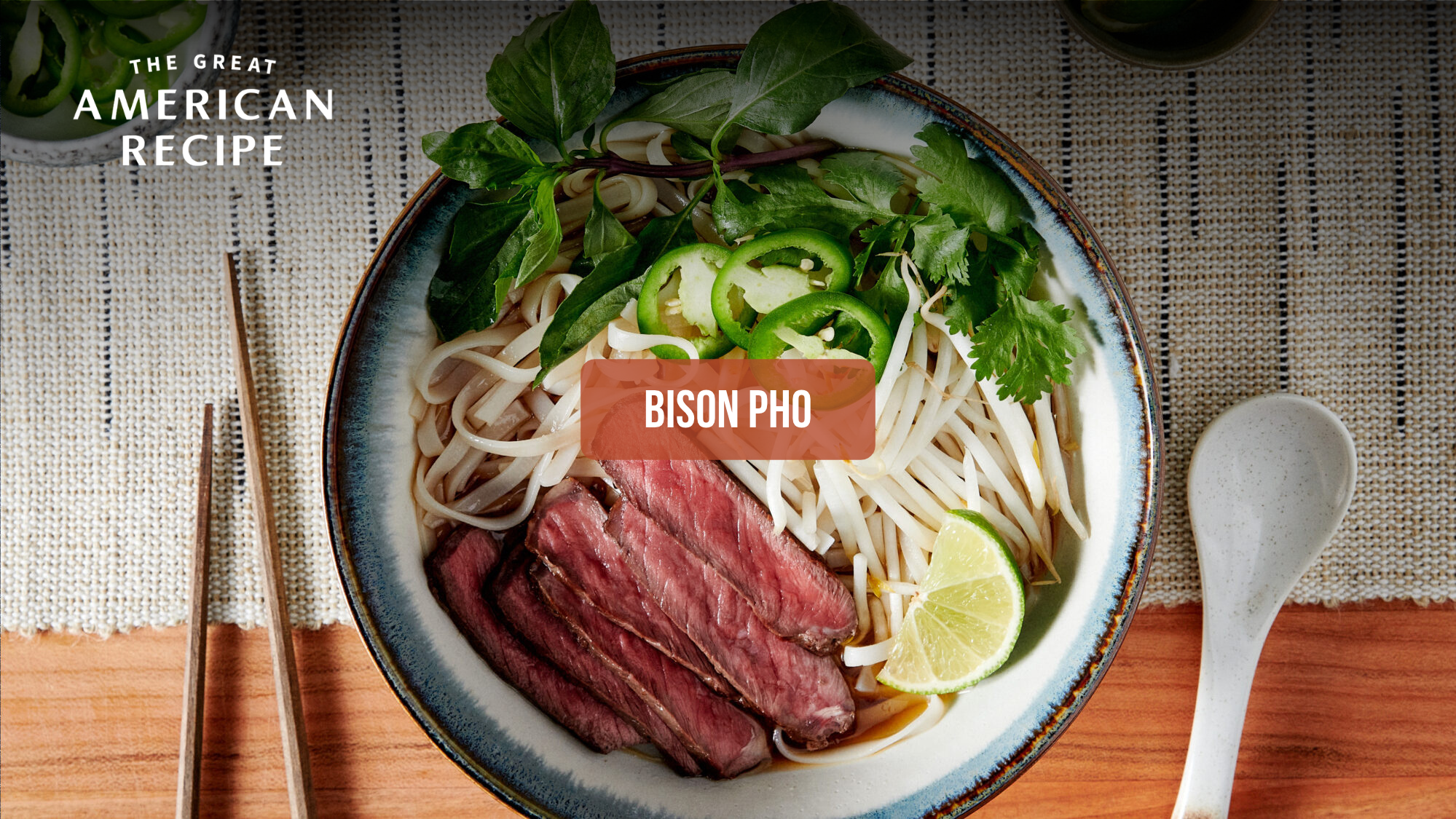
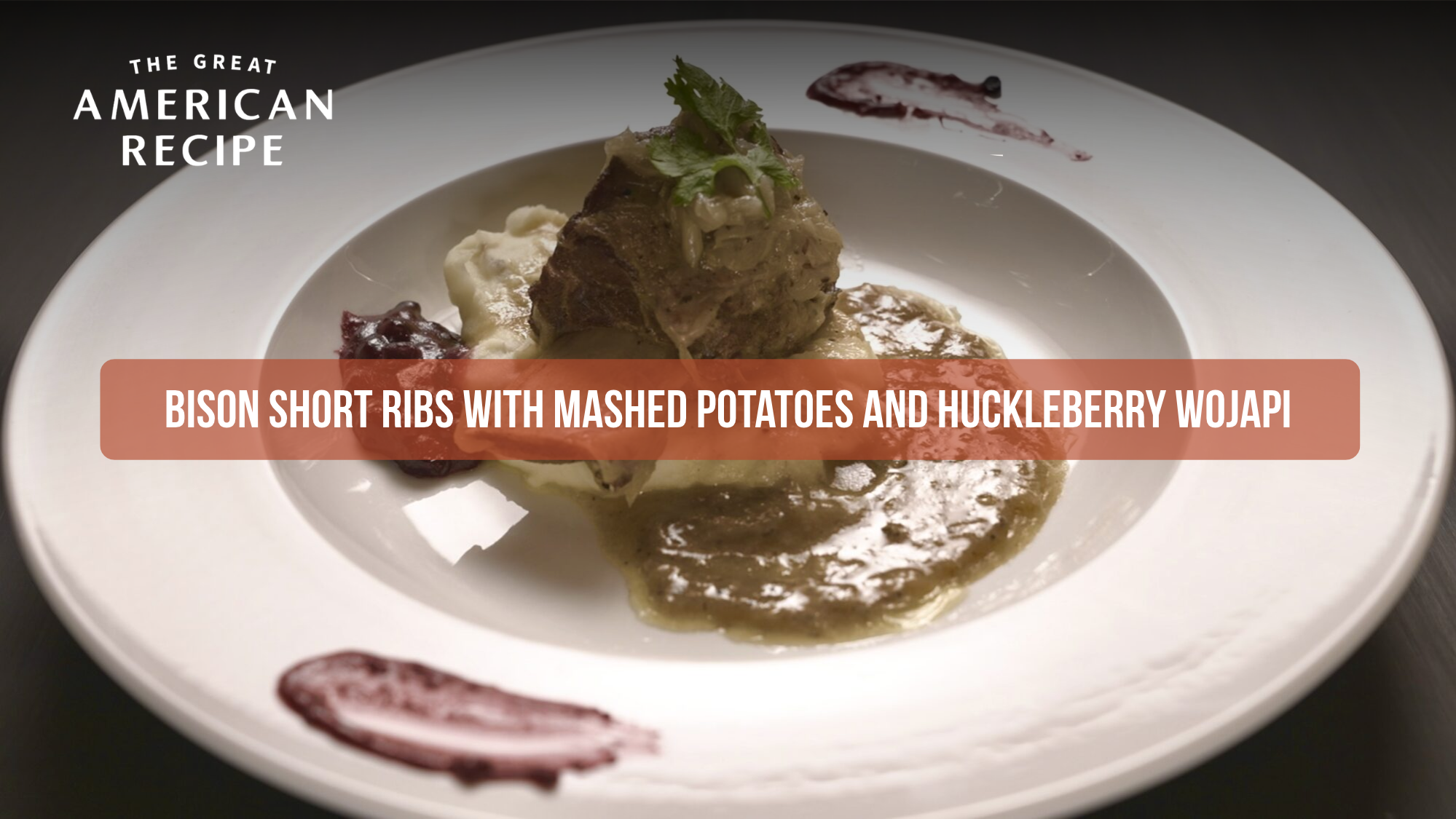
As exciting as the competition was, the opportunity to share these foods and the stories behind them meant far more to me than winning any round in the competition. (Spoiler alert, I only won once.)
I was struck by conversations with fellow contestants and judges who had spent their entire lives in the United States without knowing much about Native food traditions. Indigenous food systems have existed across this continent for thousands of years before the United States was established, yet they're still largely overlooked in conversations about American cuisine.
I hope my time on the show inspired viewers to explore the Native foods, farmers, ranchers, and producers in their own communities. Indigenous food traditions aren't relics of the past. They're living, evolving parts of our cultures that deserve to be recognized and celebrated.
What a Cooking CompetitioN Taught ME About
Food, Storytelling, & Representation
I've spent much of my professional life helping Native communities and organizations tell their stories. Being the person sharing my own story was a completely different experience.
Suddenly, I was on the other side of the camera. I was answering questions about my family, my upbringing, and my heritage while surrounded by cameras and microphones.
It reminded me how vulnerable storytelling can be. Even when someone has something important to share, it takes trust and a supportive environment to feel comfortable doing so.I learned from field producers how to ask questions, how to get people comfortable in front of the camera and how to find the right sound bite that will work when its all played back.
I also gained an entirely new appreciation for the technical work behind television production. What looks effortless on screen requires an incredible amount of coordination, technical expertise, and creative problem-solving. I loved talking to the camera men and women between takes and learning about how they approach their work. It helped me get my creative juices flowing for my own photo and video work to come.
And of course, I learned plenty about cooking. The judges challenged me to think more carefully about technique and execution. I now own three different kitchen thermometers. I am a total cooking nerd.
LEARNING FROM THE OTHER SIDE OF THE CAMERA
Looking back, The Great American Recipe reinforced something I've always believed: storytelling can change how people understand one another.
Food creates opportunities to share culture, history, and identity in ways that feel personal and accessible. A single dish can start a conversation that might never have happened otherwise.
That lesson continues to shape my consulting work. Whether I'm developing a communications strategy, facilitating a conversation, or helping a community share its experiences, I want people to feel seen and their stories to be represented with care.
I never expected a cooking competition to teach me so much about my own profession. But I'm grateful it did.
And if another opportunity comes along, who knows. I might even practice my recipes beforehand.
MORE THAN A COOKING COMPETITION